
Changing
attitudes
Changing Attitudes is a national initiative of The Achieve Foundation, partnering with people with disability to dismantle the systemic barriers of attitude that hold exclusion in place.
About Changing Attitudes
Changing Attitudes is the disability attitude-change program of The Achieve Foundation, an Australian for-purpose organisation working alongside people with disability to dismantle the systemic barriers that exclude them from full participation in community life. We work across employment, attitudes, education and housing, building evidence-based, scalable models in genuine partnership with disability leaders.
This program exists because attitudes are where exclusion begins. Negative assumptions about what people with disability can do, contribute and become shape every other system that fails them. Through the Changing Attitudes program, we are partnering with the FrameWorks Institute, supported by the Australian Government Department of Social Services and the William Buckland Foundation, to develop and test reframing tools that shift the way Australia talks about disability. The work is co-designed and governed by people with disability, with a National Resource of 30 Reframing Communicators being established, half of whom are people with disability themselves.
Attitudes are at the heart of exclusion
Harmful attitudes towards people with disability persist in twenty-first century Australia.
Negative assumptions about people with disability reinforce narratives that question their human capability and social value. We know from the Disability Royal Commission that opportunities for people with disability to live full and empowered lives as equal members of society are limited by toxic stereotypes of vulnerability, exploitability, and low expectations.
Research undertaken by the Achieve Foundation, in partnership with FrameWorks Institute, has found that Australians take for granted the belief that social inclusion and belonging have been achieved when people are accepted for who they are, independent of their disability. However, if we believe that disability exclusion can be overcome by individual actions and choices, we deny the real and ongoing effects of systemic barriers to full social and civic participation faced by people with disability.
Check out our work with the FrameWorks Institute on their website here.

“If we can think about what people are capable of, if we can take a strengths-based approach, the whole community wins because we start to think about things differently. And that’s why inclusion is so important. That’s why attitudes are important.”
Dr Dinesh Palipana OAM
Why attitudes matter:
Dr Dinesh Palipana OAM
Our Inclusion Ambassador Dr Dinesh Palipana OAM is a doctor, researcher, lawyer and disability advocate. In this interview, he shares why shifting attitudes is the lever that changes everything else for people with disability.
Sustained attitude change
We are working to bring about sustained attitude change towards disability inclusion by shifting the mindsets that allow negative assumptions and toxic stereotypes to proliferate. We need to change the conversation by reframing how Australians think about disability and shifting actions towards inclusion.
Our attitudes programs
-
Attitudes Theory of Change
Our Theory of Change details the process we will take from the current state of attitudes towards people with disability in Australia to a more inclusive society. View our Teary of Change at the link below.
-
Reframing Disability
The Reframing Disability Attitudes Project aims to support inclusive thought, speech, and behaviour by developing ways of communicating, called ‘reframing tools’, that foster long-term cultural and systemic change.
-
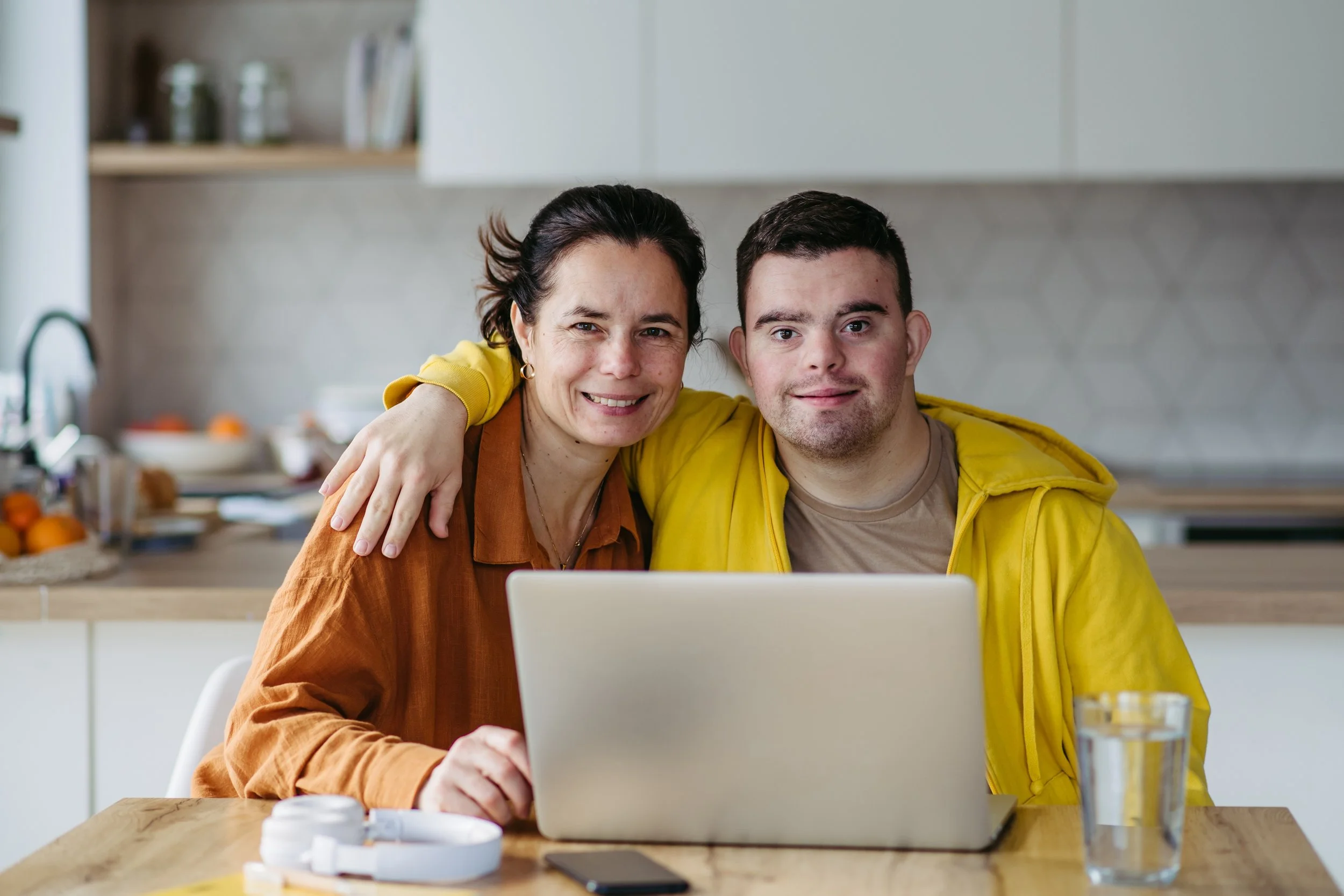
National Attitudes Project
The reframing tools will be developed and tested in partnership with large organisations, with the goal of dismantling exclusionary systems and practices.
-
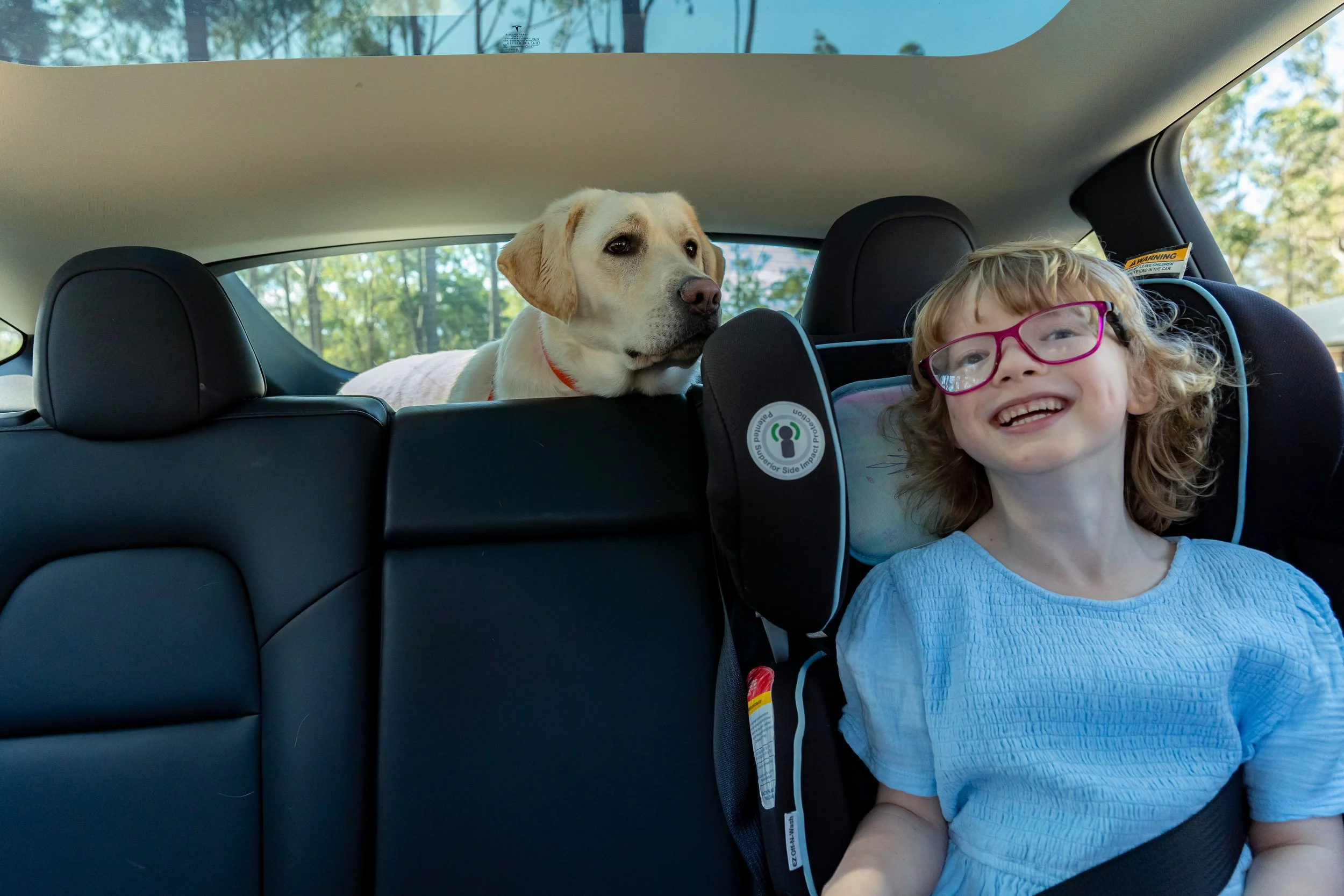
Implementation
Work with us to embed our new Reframing Attitudes tools into your organisation
Progress
The Changing Attitudes program is mid-flight, and the foundations are firmly in place.
Government support
$1.125 million awarded by the Australian Government Department of Social Services through the Inclusion and Accessibility Fund (2024–2027), funding the next phase of national delivery.
Private seed funding
$300,000 in committed support from the William Buckland Foundation, enabling Phase 2 research and toolkit development.
Global research
Partnership with the FrameWorks Institute, a globally recognised leader in research-driven communications and narrative change.
Reframing Communicators
A National Resource of 30 Reframing Communicators in development, with 50 per cent of those communicators being people with disability.
Disability Co-design
Co-designed and governed by people with disability, with strong representation across all advisory and delivery structures.
Inclusion done well: Katie Kelly OAM PLY
Katie Kelly OAM PLY is a two-time Paralympian, Australia's first gold medallist in para-triathlon, and the founder of the Sport Access Foundation. She is also a board member of Achieve Australia, our founding member organisation. In this interview, Katie reflects on her experience at the Paris Paralympics and what it shows about what inclusion can look like when it is done well.
Part of a global movement:
CoorDown's Just Evolve
Changing attitudes is global work, and TAF stands alongside disability-led organisations around the world. In 2026, for World Down Syndrome Day, we sponsored CoorDown on Just Evolve, a campaign from the Italian National Coordination of Associations of People with Down Syndrome that calls on the world to retire disability-related words used as insults. The message is simple and unsparing: using disability as a put-down is a thing of the past. Update your language, and build a more equitable world for everyone.
Just Evolve and our own reframing work share the same conviction: the language we use shapes the world we build. CoorDown does it through pop culture and humour, we do it through evidence-based reframing tools developed with FrameWorks Institute and Australia's disability community. Different methods, same goal.
Help us do more
We are stronger together. We welcome conversations with individuals and organisations who are passionate about changing attitudes towards people with disability. If you’re interested in getting involved in any way, from sharing an opinion to testing the framing tools in your workplace, contact us.
Our supporters
Disability Leaders
The Reframing Disability Attitudes Project is designed, delivered, and governed in collaboration with disability leaders. It supports inclusivity by developing ways of communicating, called 'framing tools', that foster long-term cultural change. The framing tools will be tested in partnership with large organisations, with the goal of dismantling exclusionary systems and practices in the workplace.